





Store, access, retrieve, and move your data with more predictable economics.
Your data shouldn’t cost more when you need it back.
Megaport Standard Object Storage gives DevOps, platform, and infrastructure teams S3-compatible storage with no egress, API, or retrieval fees, no minimum storage duration or capacity, and free 100Gbps in-country VXC from a Megaport access product.
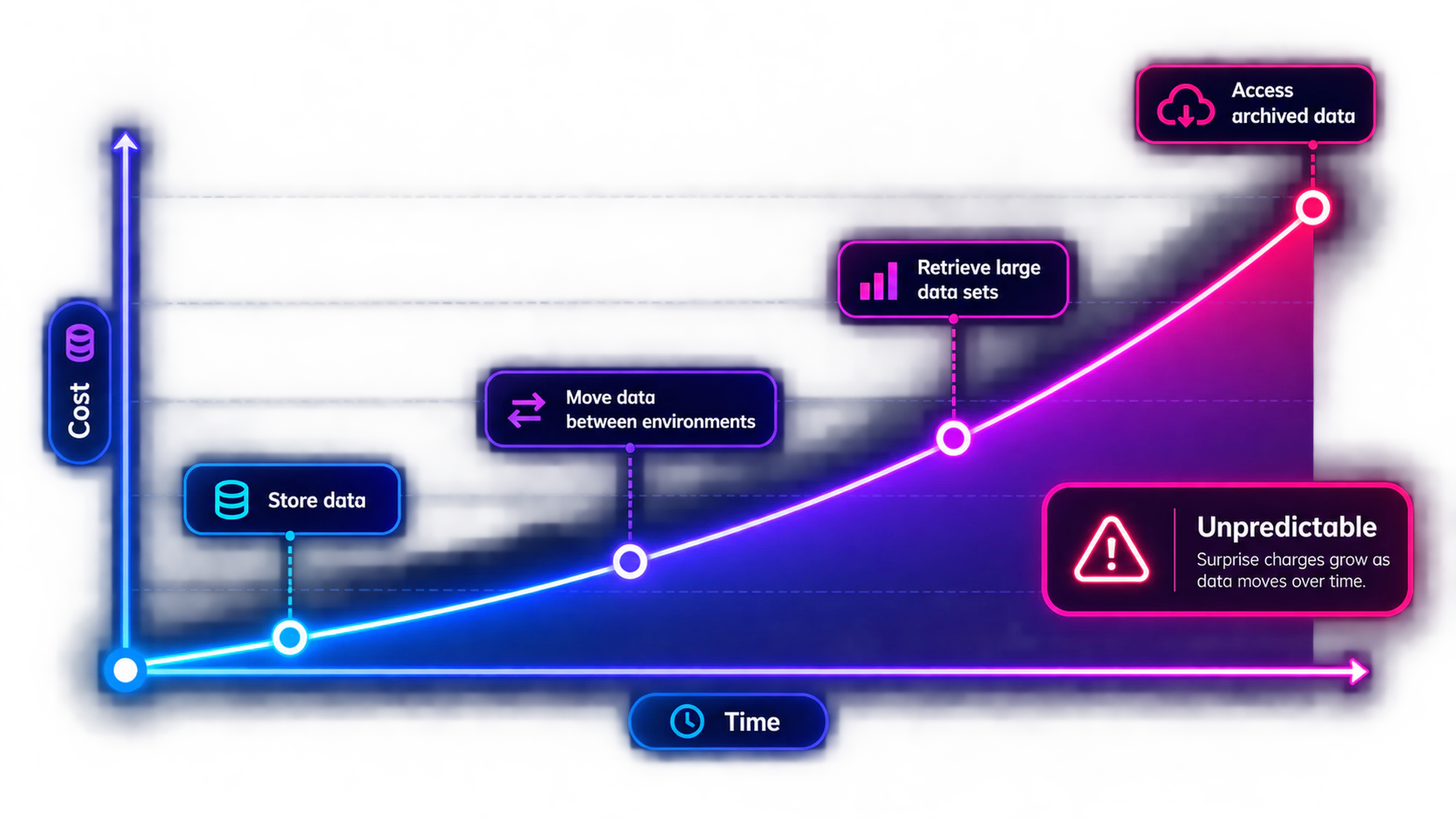
Storage costs get harder to predict when data has to move.
The cost of storing data is only part of the model. Retrieving it, moving it between environments, restoring large data sets, or accessing archived data can introduce fees and operational complexity.
Talk Through Your Storage Use Case
What’s different about Megaport Storage?

Access data without surprise fees
Megaport Standard Object Storage has no egress, API, or retrieval fees. This means teams can store data, retrieve it, and move it without adding separate access charges into the storage model.

Scale without minimums
There’s no minimum storage duration or capacity requirement, so teams can store what their use case demands without committing to a fixed storage window or baseline capacity.

Move data over high-speed connectivity
Standard Object Storage can be accessed using a free 100Gbps in-country VXC from a Megaport access product, helping teams move larger volumes of data without relying on the public internet for the storage connection.

Use familiar S3-compatible workflows
S3 compatibility helps teams keep using object storage patterns, backup tools, and application workflows they already understand.

Protect backups with object lock
Object lock supports immutable backups by preventing objects from being changed or deleted before the retention period expires.
Built for backup, recovery, archive, and data movement
Megaport Standard Object Storage can support infrastructure use cases where access economics and data movement matter.

Backup and recovery
Store backup data in S3-compatible object storage and retrieve it when recovery is required without adding egress, API, or retrieval fees.

Immutable backup retention
Use object lock to support immutable backup workflows that help protect stored objects from modification or deletion during the configured retention period.

Archive
Store archive data without minimum storage duration or capacity requirements, while keeping retrieval costs easier to predict when data needs to be accessed again.

Large-scale data movement
Move large volumes of data using free 100Gbps in-country VXC from a Megaport access product, with support from Megaport to help work through the transfer approach.

Infrastructure flexibility
Use object storage alongside existing DevOps, platform, backup, and infrastructure workflows that already rely on S3-compatible storage.
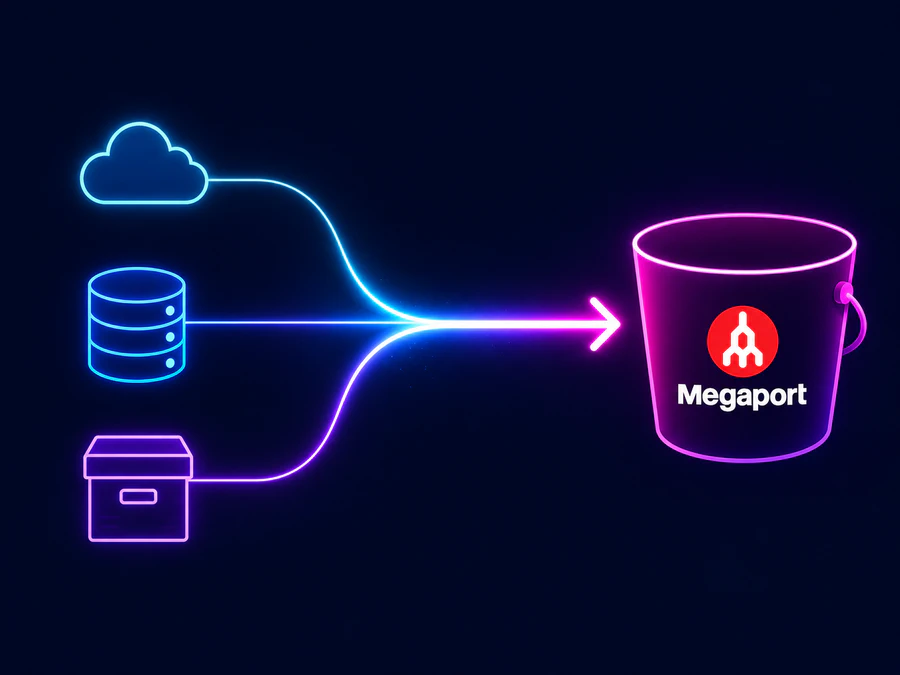
Already storing large volumes of data somewhere else?
That can help teams assess the path from current storage environments to Megaport Standard Object Storage, including how data movement, access patterns, and in-country connectivity fit into the plan.
Need the technical details?
For teams ready to evaluate fit, Megaport provides more detail on product behavior, technical requirements, and implementation options.
Store data with fewer access-cost surprises
Store, access, retrieve, and move infrastructure data with fewer access-cost surprises.